2023年7月11日 星期二

Wineshark HK Restaurant Review - Sushi Saito 鮨·齋藤


Last time I visited this famous sushi restaurant was already two and a half years ago. That occasion I had a nice experience but it was only lunch as it was quite impossible to book for dinner. A few months ago, I tried my luck and cannot believe I was able to secure a dinner reservation! Taking the early seating at 6pm, it was with great anticipation I arrived at 45/F of Four Seasons Hotel Hong Kong. 


We were served in a different room from the last visit, but the décor and arrangements were similar. The L-shaped hinoki counter was a treasure, made from wood that was 400 years old. With an elegant touch but nothing extravagant, we settled comfortably beside a Japanese visitor, who has been a regular customer of Chef Masashi Kubota for many years, starting when he was still serving in Malaysia.


There was only one Dinner Omakase Menu ($3,480 each) and I also ordered a bottle of Taihei-Zan Junmai Daiginjo Tenko 20 太平山限定酒 純米大吟醸 天巧20 ($2,980). This special sake came from Akita, made using premium Yamada Nishiki rice, with polishing to 20%. The delicate, smooth mouthfeel and nice elegance fragrance matched very well with the food on the night. 


The first course was Mozuku 水雲 with Sakura-Ebi and Bafun-Uni. The sea moss had refreshing sourness, highly appetizing as a starter. The addition of the Sakura shrimp provided a nice bite and hints of savory, contrasting with the very creamy sea urchin with sweet and umami flavors. The tiny leaves of Japanese pepper brought another level of fragrance for great enjoyment. Very nice.


The second course was Saba 鯖, with the chef wrapping the sliced mackerel in a piece of konbu, then put some freshly ground sesame, together with menegi and dried seaweed, on top. Drizzled with homemade sesame shoyu, with a bit of wasabi, the sourness of the kelp reduced the intense fish oil of mackerel, with its rich flavors perfectly harmonized with the sauce and other condiments. Fantastic.


The third course comprised of Awabi 鮑, Tako 章魚 and Shako 蝦蛄. Starting with the abalone, it was one of the largest I had eaten in Hong Kong. The chef had prepared the liver paste for dipping, with the very tender texture and wonderful umami on each bite simply phenomenal. The octopus tentacle was also very tender, braised beautifully to infuse with sweetness of the sauce. The mantis shrimp was equally tasty, having intense umami flavors. All great but the abalone was certainly my favorite. The chef even provided some shari, or sushi rice, with additional liver paste on top, for us to savor to the full extent. 


The fourth course was Ankimo 鮟肝. The monkfish liver was very large in size. The sou chef then trimmed and cut out a slice on the plate, served with a broth, before dusting with some yuzu peels. The melt-in-mouth texture was amazing, with the broth helping to keep it moist and enhancing even further the umami note. The genius touch of yuzu shavings added wonders too. Amazing.


The fifth course was the highlight of the whole meal in my opinion. The Ao-Unagi 青鰻 was wild blue eel, and with 99% of the eel being farmed nowadays, this dish was very special and obviously pricey. Grilling to a nice crisp on the skin, the flesh was moist and soft, and the chef did not apply the eel sauce so we could taste the authentic and original flavors, drawing a round of exclamation from me because of how good it was. The pickled cucumber on the side was a nice touch to freshen the palate as well. Interestingly, the Japanese sitting next to me, who had been talking with Chef Kubota all night, was very happy seeing how I also appreciated the dish and began talking to me from this point. 


Moving on to the sushi section. The first piece was Ishigakidai 石垣鯛. The spotted knifejaw had a firmer and tighter texture than the more commonly seen sea bream, but with a richer, fattier, and more delicious with its nice umami flavors. Very good.


The second sushi was Shima-Aji 縞鯵. The striped jack was right in season, being signified as a summer fish best during June to August. The nice firm bite, with the fatty flavors gave me a pleasant and luxurious feeling on the swallow. Very good too.


The third sushi was Aji 鯵. Seeing the chef peeling away the skin and then cutting in the middle, before adding a bit of scallion as condiment, already started my mouth watering. One of my favorite fish, the Japanese horse mackerel had more intense and sweet flavors, with the scallions amazingly fragrant with even with just a tiny bit. Fantastic.


The fourth sushi was Akami 赤身. The lean tuna had been marinated in shoyu briefly, with the chef timing it to perfection, resulting in the flesh being just right on its saltiness, and the shoyu able to enhance the umami notes to another level. The silky soft texture simply was unstoppable. 


The fifth sushi was Chu-Toro 中とろ. The medium fatty tuna had wonderful fish oil seeping out from each bite, and this cut was my favorite part of the maguro, having the perfect balance in fat content, as generally I did not like the super fatty belly in terms of its texture. Another wonderful piece.


The sixth sushi was Kama-Toro かまとろ, which was the flesh around the jaw and collar of the tuna, and typically one of the fattiest parts of the fish and the most prized, as there was only very limited meat available. It was very rich in fish oil and did not have the chewy tendon often found in the belly. No wonder it was such a treasured cut. 


The seventh sushi was Kuruma-Ebi 車海老. The sou chefs brought out the freshly cooked large tiger prawns, removing the shell while still steaming hot, before Chef Kubota removed the guts and kneaded the sushi. The bouncy texture and sweetness in taste was memorable, really fantastic. 


The eighth sushi was Aka-Uni 赤海胆. Another expensive and rarely available ingredient, the red sea urchin had a delicate and beautiful sweetness, with none of the bitterness often found in other types of sea urchin. Honestly this was one of the best sea urchins I had tasted in town. My neighbor and us could not keep giving praise to the chef for the great choice of ingredients. Phenomenal.


The ninth sushi was Anago 穴子. The Kyushu conger eel was grilled to perfection with uniform brown sheen. On the bite, it had great texture, completely dissolving in the mouth, another piece that brought a sense of comfort and happiness for me. As one of the customers could not take wasabi, the chef had given her piece to the Japanese customer as compliment, but he ended up handing the piece to my wife instead. Thanking him with a cup of sake in return, we continued to have some good conversation.


The Miso Soup came next, warming our stomach while the chef started to prepare his signature rolled sushi. The soup had a nice fragrance with the miso, rich in umami, but not overly salty. Comfortable and satisfying.


The last piece was Futomaki 太巻. Seeing how the chef showing off his knife skills and thinly sliced the cucumber was breathtaking, and there were so many different ingredients added, including karasumi, mentaiko, kanpyu, tiger prawn, monkfish liver, abalone, tuna, mushroom, egg, conger eel, cucumber, and radish, which was mind-blowing. The rolled sushi was very delicious and filling, completing the wonderful assortment of sushi to our best satisfaction. 


But knowing there were Shinko 新子 ($400) available I could not resist the temptation to request. The young gizzard shad was fetching a high price in the market and being so tiny it was unbelievable how much effort it took to prepare each tail, with each sushi also requiring a few tails to make, so many restaurants decided not to offer as a result. I liked how Chef Kubota did not marinate them too long, so the sour note was milder, and this was the reason why I liked eating gizzard shad in sushi restaurant, as it often highlighted the different unique styles from the chefs.


There were two types of Tamago 玉子, one having a very soft, almost gelatinous texture, with the egg mixed with a lot of seafood so there were rich umami notes. The other piece was using the more traditional means to pan-fry, with more intense egg flavors and a firmer texture. Both were very good.


Finishing with a slice of sweet and juicy Melon, I found that comparing with my last visit, this was an even better experience, not only because of the premium ingredients we were able to try, but also the relaxing ambience through the conversations with the Japanese customer. However, the chef might not be interacting with us that much which was a pity. The bill on the night was $11,374 and it was certainly not cheap, and the whole dinner was a bit rush to finish within two hours. But still a great place that any sushi lover must at least try once in my opinion.


2023年7月6日 星期四

Wineshark HK Restaurant Review - Lion Rock 獅房菜


This restaurant is located at Royal Plaza Hotel in Mongkok, offering cuisine incorporating a combination of Cantonese and Sichuan ingredients and techniques in an innovative and artistic manner, under the direction of Chef Ricky and his team.


Apart from the normal tables, with the diners able to look at from the large windows to the train lines and Lion Rock in the background, there is also a counter looking at the open kitchen where the team is preparing the dishes. The décor is hip and chic, but I don’t like the large TV screens on both ends.


We order the 12-course Chinese Omakase Set Menu ($1,388) with me also going for wine pairing ($298). There is Amuse Bouche with Amber Walnut, Pickled Gourd, and Marinated Jellyfish with Cucumber. The walnut is good, but the jellyfish is not marinated sufficiently. 


The first course is Appetizer, comprising three pieces served on a plate with mist of dry-ice seeping out. The Firefly Squid with Plum Wine has a great appearance, resembling flower petals but holding the small squid inside. The Barbecued Pork Loin is thick and juicy, very tender. My favorite though is the Fresh Sliced Abalone with Black Vinegar, as there is good harmony on the sour and savory notes, with the abalone having a nice bite but not rubbery. The wine paired is Il Folio Prosecco Spumante Extra Dry NV. 


The second course features Lobster, in a truly creative way, with a bamboo charcoal ice-cream cone. Stuffed with the flavorful stir-fried Hokkaido 3.6 Milk with bamboo pith inside, on top there are the sweet and amazing Lobster Fillet with Salmon Roe to decorate, the cone combines the contrasting texture and highlight the different elements of the ingredients nicely. Delicious and fun.


The third course is Soup, intense with Sichuan Preserved Vegetable flavors. The soup has the perfect balance of sour and spiciness, with the Matsutake slice adding to the aromas. The pieces of tender and delicate Tilapia in the Dumpling, together with the preserved vegetable, makes the whole experience reminiscent of the Cantonese style dumpling stuffed with soup. Another good one.


The fourth course is Meat. The chef has removed the meat from the French Quail and then finely Diced and Sauteed together with other ingredients like pine nuts, celtuce, and yam, served on the deep-fried dough basket. On top is a piece of their signature Suckling Pig, with perfectly crispy skin and tender meat. The wine paired is Domaine Rene Bouvier Marsannay Le Finage 2019.


The concept of the fifth course comes from the traditional baked fish guts, but here the chef has made a twist and replaced with soft-shell Crab, avoiding the fishy note while imparting the dish with the sweetness and umami of crab. The baked egg is a combination of normal egg with Salted Egg, and together with some ginger, aged tangerine peel, give an extra layer of fragrance. Delicious.


The sixth course features Garoupa. The Giant Garoupa Fillet has been coated with a thin layer of batter before deep-frying, with some Chrysanthemum and seaweed to decorate. The thick skin with a nice bite is one of the highlights. Underneath is the traditional Taiwan Minced Pork, with the intense savory of the braised pork giving an interesting contrast to the fish. Creative with good effect. 


The seventh course is my favorite in the evening. The Seared M5 Wagyu Beef Slices has familiar and fantastic flavors, a bit resembling another traditional dish of Chinese style beef fillet, with some Black Truffle oil added to increase the fragrance, and mustard for condiment. On the bottom are deep-fried Pumpkin, coated with a thin batter, sweet and soft. Strongly recommend trying this out.


Next comes the Lime Sorbet which has good acidity to freshen the palate and get us ready for the remaining of the courses. A nice transition and in fact also help to reduce the burden on the stomach as the dishes so far are all relatively heavy. 


The eighth course features Prawn. The large Tiger Prawn has a crunchy texture, and the chef has prepared a special Shrimp Sauce, using fermented shrimp paste, chili, and shrimp head. The sauce is rich with umami and flavorful, perfect complement with the prawn. A sake 仁淀川 純米大吟釀 is paired, with the slight sweetness helping to balance the hints of spiciness of the sauce.


The ninth course is another skillful creation of the chef. Using different Mushroom including the renown Sarcodon Aspratus which has a lot of medicinal properties and good for health, the nicely stir-fried mix is put on a crispy Almond bowl, meticulously put together by the chef with individual pieces of almond, before deep drying. 


The tenth course is Vegetable, with Lily Bulb, Tianjin Cabbage, Wood Ear and Cordyceps cooked in a supreme broth, infusing the fresh vegetables with the delicate flavors and to showcase their original taste and sweetness. A simple dish but we both like this one as it is also easy on the stomach, after so much food we have already on the night. 


The eleventh course is Noodle, with a large Hokkaido Scallop, lightly seared and put on some Huaishan Noodles, cooked, and then chilled before mixing with chili oil and leek. The wonderful texture of the noodle is memorable, with the scallop sweet in taste. Although very full, it is so good we finish it all. The wine paired is Selbach Oster Zeltinger Schlossberg Riesling Spatlese Trocken 2018. 


The twelfth and final course is Dessert. The Blueberry Cheese Mochi has a good bite, with the fillings tasty and not too sweet. There is also a Monaka with Red Bean Paste and Ice-cream as well, along with a cute chocolate bear. A satisfying and complete meal, and even for big eaters like us we feel it is honestly too much. 


Service is decent, but the staff's voice is so soft when they explain the dishes it is barely audible, and I also believe they have much more to share instead of just the name and a few ingredients. With a 20% discount, the bill on the night is $2,881. Unless you are super hungry, I suggest going for menu with less courses is a good idea. 


2023年7月3日 星期一

Wineshark HK Restaurant Review - Chi Kee Noodle House 枝記麵家


This noodle shop is located on Babington Path in Mid-Levels and has been in business for more than fifty years. A gem for the neighbourhood, it has served its signature beef brisket noodles for many generations. 


While the décor is certainly dated, with rundown walls, tiled floors, and the most basic foldable tables and chairs, there is a familiarity and vibe that brings back good memories, in the time when things were not easy, but people worked hard, and everyone had the sparkle in the eyes for a better future.


I ordered the Beef Brisket Noodle ($40) while my wife has the Beef Brisket and Tendon Noodle ($46). The beef brisket is braised perfectly with very soft texture, with the ground bean paste providing rich and amazing flavours. The soup is delicious and drinking them will not make one thirsty. The noodle also has a nice al dente mouthfeel. Perfect on all fronts, no wonder it draws so many rave reviews!


Seeing the tendon is very good too, I decide to test the capacity of my stomach and order another Beef Tendon with Squid Balls Rice Noodle ($46). The collagen of the tendon gives a luxurious easy bite, and I think the rice noodle is also a great match with the soup. The squid balls are decent, but compared with the beef brisket or tendon they are apparently less impressive.


Together with Milk Tea and Iced Lemon Tea, the bill is $170. Service is standard as you would expect from such noodle house, but I can sense a kindness here. We should do our best to protect and make  sure such treasure in the neighborhood continues to stay, as I truly believe it is one of those things that makes Hong Kong such a great place.


2023年7月1日 星期六

Wineshark Cooking Class - Fried Pumpkin and Broccoli Pancake 煎南瓜西蘭花班戟


Ingredients (for 4):

  • Olive oil - 2 tbsp
  • Onion - 4 oz
  • Mixed bell pepper - 2 oz
  • Pumpkin - 8 oz
  • Broccoli - 8 oz
  • Egg - 3
  • Flour - 1 tbsp
  • Salt - 1/2 tsp
  • White pepper powder - 1/4 tsp
Procedures:

1. Shred the onion.


2. Shred the bell peppers.


3. Break the broccoli into smaller pieces.


4. Cut the pumpkin into big cubes.


5. Blanch the pumpkin in hot water for 6 minutes. Remove and drip dry.


6. Blanch the broccoli in hot water until cooked. Remove and drip dry.


7. Mix the whisked egg with flour, salt and white pepper powder.


8. Heat the pan with olive oil, then saute the shredded onion.
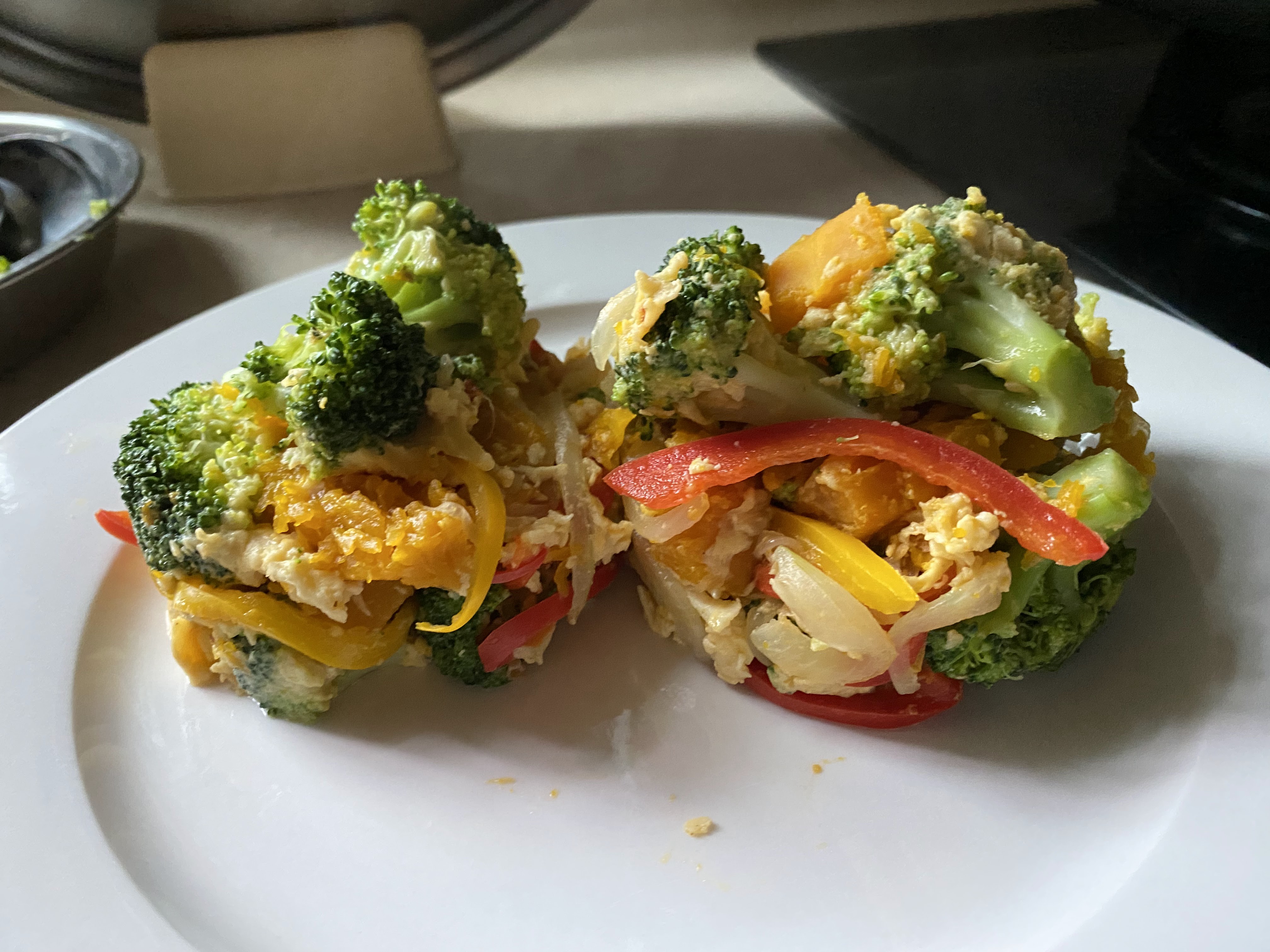

9. Add in the bell peppers and cook for a brief while.


10. Add the pumpkin and broccoli.


11. Add the egg mixture and pan-fry at low heat until the base is set. Then flip over to cook the other side.


12. Cut into quarters and serve.


Wineshark Cooking Class - Grilled Tenderloin with Blueberry Sauce 牛柳扒藍莓汁


Ingredients (for 4):

  • Beef tenderloin - 4 
  • Salt - 1/2 tsp
  • Black pepper finely - 1/4 tsp
  • Olive oil - 2 tbsp
  • Shallot - 1/2 oz
  • Black pepper finely - 1 tsp
  • Flour - 1 tbsp
  • Cassis liqueur - 2.5 oz
  • Beef stock - 8 oz
  • Butter - 1 oz
  • Blueburry - 3 oz
  • Salt - 1/2 tsp
Procedures:

1. Trim the steak and then season with salt and black pepper finely.


2. Heat the saucepan with olive oil, then add in the shallot to saute.


3. Add black pepper finely and flour. Stir thoroughly.


4. Add the cassis liqueur, then add in the beef stock to simmer for 15 minutes. 


5. Pan-fry the steak on a hot pan, cook to the desired level.


6. Mix butter to the sauce, then strain the sauce.


7. Serve with the steak, and the blueberries on the side, together with the sauce.